

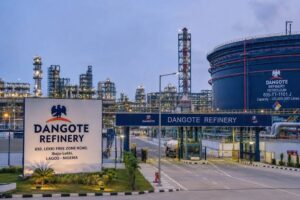
The queue is long. The excitement is loud. Everyone wants a piece of the new oil refining dream.
From market stalls to WhatsApp groups, the talk is the same — “Have you bought your shares?” For many Nigerians, this is their first encounter with the stock market, and the entry point is a name that feels too big to fail.
But history has a warning: in the stock market, popularity is not profitability.
This is not the first time Nigerians have rushed into an offer because of a famous name and a compelling national story. We saw it during the banking consolidation, during the oil and gas boom listings, and many investors are still holding shares today that have never returned to their offer price 15 years later.
A refinery business looks simple when fuel is expensive. Buy crude, refine, sell at a high price, make huge profit. The reality is far more complex.
Its fortunes are tied to global crude oil prices, exchange rate volatility, cost of debt, plant maintenance cycles, and most critically, government policy on petrol pricing. A single decision to reintroduce subsidy or cap pump price can wipe out refining margins that investors assumed were permanent.
That is the business risk. Then there is the market risk.
Shares do not only go up. They fluctuate daily. Even highly profitable companies can lose value in a bear market, and there is no guarantee you will get back what you put in. For a retail investor who puts his rent or school fees savings into a hyped offer, that volatility can be devastating.
There is also the hype risk itself. When an offer is wrapped in heavy marketing, urgency and celebrity endorsement, the price is often driven by emotion, not valuation. Those who understand the game buy early and sell to latecomers who bought on FOMO — fear of missing out.
Buying a share means buying a piece of a business. If you cannot answer a simple question — “What will make this company’s profit go down?” — you are not investing, you are gambling.
Experts say the rules have not changed. Read the prospectus. Understand how the company makes money. Understand what can make it lose money. Diversify. And never invest money you cannot afford to lose because a name is famous.
In the capital market, hype can get you to buy. Only fundamentals will determine what your investment is truly worth.