

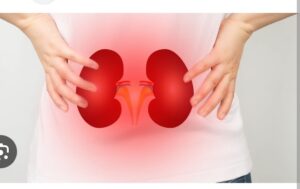
Kidney disease affects millions of people worldwide, with risk increasing with age, and often develops quietly until damage becomes serious, doctors say.
The kidneys are two small organs that filter waste and extra water from the blood, help control blood pressure, balance minerals, support healthy bones and help the body make red blood cells.
Diabetes and high blood pressure are two major causes of chronic kidney disease, according to medical guidance. Because early symptoms can be mild, regular blood and urine tests are especially important for people with those conditions.
Here are common warning signs doctors say to watch for:
Changes in urination: Urinating more often, especially at night, or less than usual; urine that appears foamy, cloudy, unusually dark or contains blood.
Swelling: Damaged kidneys may not remove enough salt and fluid, causing extra fluid to collect in the feet, ankles, legs, hands or around the face.
Unusual tiredness: Damaged kidneys may produce less of a hormone that helps the body make red blood cells, which can lead to anemia, weakness, dizziness or shortness of breath.
Skin and other changes: Dry or itchy skin from imbalanced minerals and waste products, poor sleep, muscle cramps and feeling unusually cold.
Advanced symptoms: As disease progresses, waste build-up in the blood may cause nausea, vomiting, poor appetite, weight loss, a metallic taste in the mouth, difficulty concentrating or mental confusion.
Doctors note these symptoms do not automatically mean kidney disease, as many other conditions can cause similar changes. However, unexplained swelling, ongoing tiredness, blood in the urine or major changes in urination should be discussed with a healthcare professional.
Kidney health can be checked with simple tests. Blood tests can measure creatinine, a waste product normally removed by the kidneys, while urine tests can look for protein, blood and other signs of damage.
Finding kidney disease early matters because treatment can often slow further damage, clinicians say. Controlling diabetes and high blood pressure, reducing excess salt, taking prescribed medicines and attending regular checks can help protect kidney function.
People at higher risk, including older adults and those with diabetes, high blood pressure, obesity or a family history of kidney disease, may benefit from regular screening.