

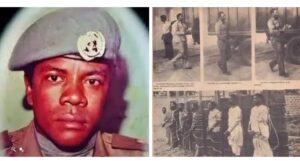
In the complex and dangerous world of Nigerian military politics of the 1980s, one man’s tragic fate stands out, Major Daniel Bamidele, a disciplined and loyal officer of the Nigerian Army. His story is one of integrity caught in the web of suspicion, fear, and political tension. In 1986, during military rule, Bamidele was executed not for planning a coup, but for not reporting one. His death remains one of the most controversial in Nigeria’s history of military trials.
Major Bamidele had learned of discussions among fellow officers who were allegedly plotting to overthrow the government. However, instead of rushing to report what he considered unconfirmed talk, he chose to warn those involved to desist, believing strongly that the military was a brotherhood and that accusing comrades without solid proof could ruin innocent lives. But in the tense atmosphere of the time, where coups had become frequent and suspicion ruled the barracks, silence itself was treated as a crime.
When the alleged coup plot was discovered, Major Bamidele was arrested and charged with “failure to report a conspiracy against the state.” Even though he did not participate in the plot, did not benefit from it, and never raised a hand against his country, the military tribunal declared him guilty. Alongside Brigadier Mamman Vatsa and other officers, he was sentenced to death. His calmness during the trial, his loyalty to the uniform, and his belief in honor made his case especially heartbreaking.
On March 5, 1986, Major Daniel Bamidele was executed by firing squad. His death shocked many Nigerians and left soldiers and civilians alike asking difficult questions about justice, loyalty, and fear under military rule. To his family, colleagues, and many historians, he is remembered as a man punished not for betrayal, but for brotherhood and restraint. His execution remains a painful reminder of the dangers of power unchecked by fairness.
Today, Major Bamidele is remembered as a symbol of tragic patriotism — a soldier who faced death with dignity, believing he had done no wrong. His story teaches that sometimes, in the storm of politics, even silence can be judged louder than action. And it reminds Nigeria that justice must never be sacrificed to fear, if a nation is to remain whole.