






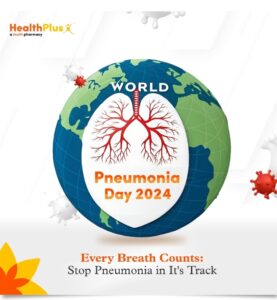
November 12 is World Pneumonia Day. The theme for this year is “Every Breath Counts: Stop Pneumonia in Its Track.” This day helps to raise awareness and educate people about the need to fight pneumonia, the leading infectious illness that kills both adults and children worldwide and accounts for the majority of deaths of children under five.
Even though this period is generally classified as hot season in Sub-Sahara Africa when pneumonia recedes, it is not completely out of place to experience the infection in the harmattan.
The day also aims to promote global action, particularly in low-and middle-income nations, to combat the number of deaths from respiratory infections like pneumonia.
*What is Pneumonia?*
Pneumonia is an infection in your lungs caused by bacteria, viruses or fungi. Pneumonia causes your lung tissue to swell (inflammation) and can cause fluid or pus in your lungs. Bacterial pneumonia is usually more severe than viral pneumonia, which often resolves on its own. Pneumonia can affect one or both lungs.
*Types of Pneumonia*
Pneumonia is categorized by which pathogen (virus, bacteria or fungi) caused it and how you got it.*
* Hospital-acquired pneumonia (HAP). This type of bacterial pneumonia is acquired during a hospital stay. It can be more serious than other types, as the bacteria involved may be more resistant to antibiotics.
* Community-acquired pneumonia (CAP). This refers to pneumonia that’s acquired outside of a medical or institutional setting.
* Ventilator-associated pneumonia (VAP). When people who are using a ventilator get pneumonia, it’s called VAP.
* Aspiration pneumonia. Inhaling bacteria into your lungs from food, drink, or saliva can cause aspiration pneumonia. It’s more likely to occur if you have a swallowing problem, or if you’re too sedated from the use of medications, alcohol, or other drugs.
*Risk Factors*
Pneumonia can affect anyone. However, those who are at risk include:
* People over the age of 65 and or under the age of 2
* People living with a lung or heart condition. Examples include cystic fibrosis, asthma, chronic obstructive pulmonary disease, emphysema
* People living with a neurological condition that makes swallowing difficult. Conditions like dementia, Parkinson’s disease and stroke increase your risk of aspiration pneumonia
* People who are in the hospital or at a long-term care facility
* People who smoke
* People with a weakened immune system
* People who have been regularly exposed to lung irritants, such as air pollution and toxic fumes, especially on the job
*Symptoms:*
The signs and symptoms of pneumonia vary from mild to severe, depending on factors such as the type of germ causing the infection, and your age and overall health. Mild signs and symptoms often are similar to those of a cold or flu, but they last longer. Signs and symptoms of pneumonia may include:
* Chest pain when you breathe or cough
* Confusion or changes in mental awareness (in adults age 65 and older)
* Cough, which may produce phlegm
* Fatigue
* Fever, sweating and shaking chills
* Lower than normal body temperature (in adults older than age 65 and people with weak immune systems)
* Nausea, vomiting or diarrhoea
* Shortness of breath
*Prevention*
To help prevent pneumonia:
* Get vaccinated. Vaccines are available to prevent some types of pneumonia and the flu.
* Make sure children get vaccinated. Doctors recommend a different pneumonia vaccine for children younger than age 2 and for children ages 2 to 5 years who are at particular risk of pneumococcal disease.
* Practice good hygiene. To protect yourself against respiratory infections that sometimes lead to pneumonia, wash your hands regularly or use an alcohol-based hand sanitizer.
* Cover your coughs and sneezes. Promptly dispose used tissues.
* Don’t smoke. Smoking damages your lungs’ natural defences against respiratory infections.
* Keep your immune system strong. Get enough sleep, exercise regularly and eat a healthy diet.
*What can I expect if I have pneumonia?*
If you are otherwise healthy, you can recover quickly from pneumonia when you get prompt care. However, pneumonia can be life-threatening if left untreated, especially if you have an underlying health condition. Even people who’ve been successfully treated and have fully recovered may face long-term health issues. After recovering from pneumonia, you may experience:
* Decreased ability to exercise.
* Worsening of cardiovascular disease.
* General decline in quality of life.
Children who’ve recovered from pneumonia have an increased risk of chronic lung diseases.
The immune system’s reaction to this infection causes the lung’s air sacs to fill with pus and fluids. This leads to symptoms such as trouble breathing, a cough with or without mucus, fever, and chills.
Pneumonia often clears up in a few weeks. However, it is important to see a doctor if your symptoms get worse, as you may need to be hospitalized to prevent or treat more serious complications.